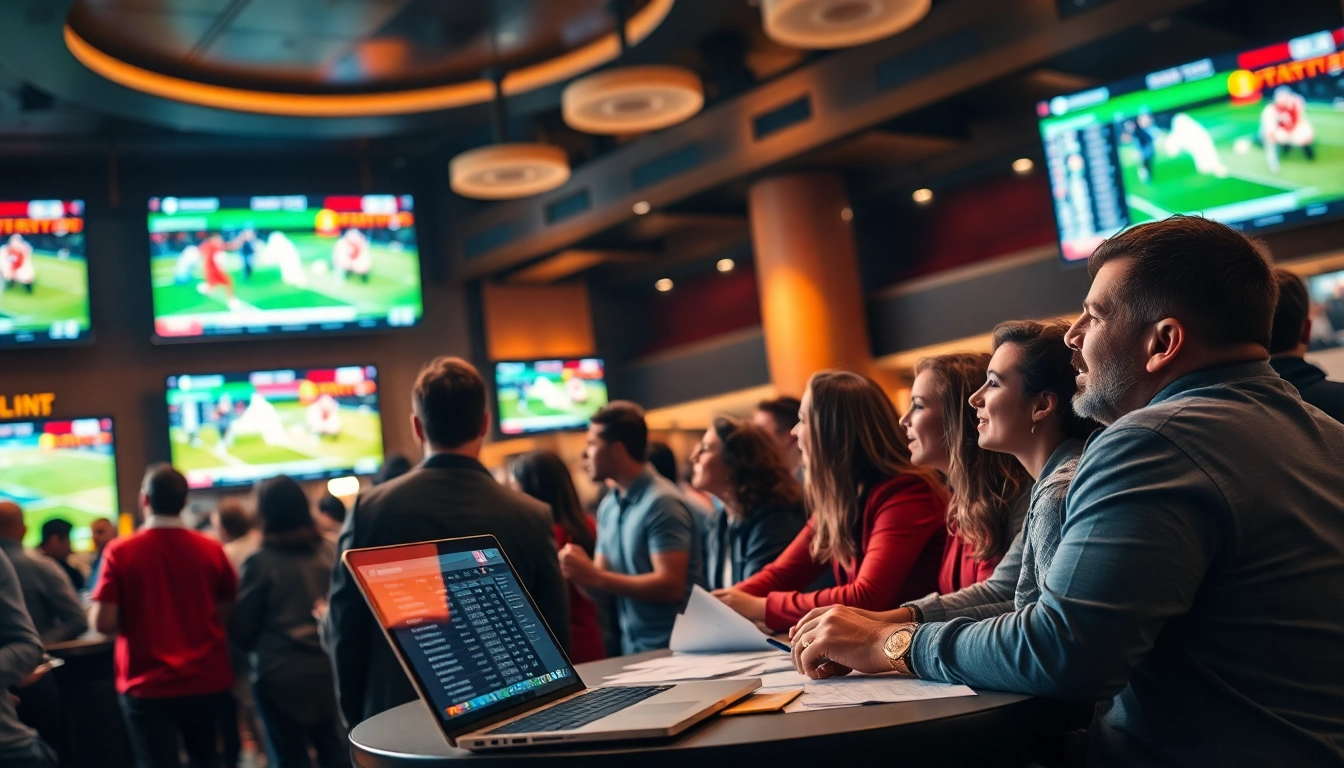
Introduction to Sports Broadcasting
What is Sports Broadcasting?
Sports broadcasting encompasses the live or recorded transmission of sports events to an audience, primarily through television, radio, and online platforms. It serves as a vital bridge connecting fans to their favorite teams and players, providing commentary, analysis, and updates on various sports. In today’s digital age, the realm of Sports Broadcasting has shifted dramatically, integrating various multimedia elements to enhance viewer engagement and enjoyment.
The Evolution of Sports Broadcasting
The journey of sports broadcasting can be traced back to the early 20th century when radio first began broadcasting live sports events. As television technology emerged, sports broadcasts expanded into homes, transforming the viewing landscape. The advent of cable and satellite television introduced numerous sports channels, catering to diverse audiences and offering unprecedented access to live events. In recent years, the rise of streaming services has further revolutionized sports broadcasting, allowing fans to watch games on-demand and across various devices.
The Role of Technology in Sports Broadcasting
Technology plays an integral role in sports broadcasting, enhancing how fans experience games. High-definition cameras, drones, and advanced graphics provide stunning visuals and insightful statistics, while augmented reality (AR) and virtual reality (VR) technologies create immersive experiences. Additionally, social media platforms have become essential for real-time interaction between broadcasters and fans, enabling viewers to engage with content and share their thoughts instantly. The future of sports broadcasting hinges on continued technological innovation, making it a dynamic field that adapts to changing viewer preferences.
Key Elements of Sports Broadcasting
Essential Equipment for Sports Broadcasting
Successful sports broadcasting relies on a wide array of equipment to ensure smooth operations and high-quality broadcasts. Essential gear includes cameras—typically high-definition or 4K for crisp visuals—microphones for capturing clear commentary, and broadcasting software that facilitates mixing audio and video. Moreover, essential tools such as teleprompters and graphics systems enhance the professionalism of broadcasts. Additional equipment, such as replay systems and drones, add depth and interactivity to coverage, making the overall experience more enjoyable for viewers.
Creating Engaging Content in Sports Broadcasting
Engagement is crucial to successful sports broadcasting. Content creators should focus on integrating storytelling elements that highlight player journeys, team rivalries, and historical context surrounding games. Behind-the-scenes footage and interviews with athletes can also enrich narratives, making broadcasts more appealing. Engaging graphics and statistics can help viewers understand complex plays and strategies. Innovative content formats, such as podcasts and interactive livestreams, enable broadcasters to connect with a wider audience, fostering a sense of community among fans.
The Importance of Audience Interaction in Sports Broadcasting
Audience interaction can significantly enhance the viewing experience and build loyalty among fans. Broadcasters can foster engagement through social media, allowing fans to submit questions, share reactions in real-time, and participate in polls during live broadcasts. Incorporating fan commentary and reactions into broadcasts can create a more inclusive environment, making viewers feel connected to the events. This interaction not only improves viewer satisfaction but also drives higher ratings and enhances the overall success of the broadcast.
Techniques for Effective Sports Broadcasting
Developing a Strong On-Air Personality
A captivating on-air personality is essential in sports broadcasting. Broadcasters must develop a strong presentation style that resonates with viewers, utilizing voice modulation, enthusiasm, and relatability to capture audience attention. They should possess a deep knowledge of the sport, as well as the ability to convey excitement and analysis effectively. Engaging stories and personal anecdotes can also enhance their on-air presence, allowing the audience to connect more personally with the broadcaster.
Mastering Live Commentary and Analysis
Live commentary requires quick thinking, articulate expression, and a solid grasp of game dynamics. Broadcasters should familiarize themselves with key players, team strategies, and previous matchups to create insightful commentary. Utilizing visual aids, such as graphics or replays, can enhance analysis and provide clarity for viewers. Timing is crucial; broadcasters must deliver their insights succinctly while keeping pace with the game, ensuring that their commentary complements the unfolding action rather than detracting from it.
Using Storytelling in Sports Broadcasting
Storytelling is a powerful tool in sports broadcasting that can elevate the viewing experience. By framing games within broader narratives—like team comebacks, player rivalries, or season milestones—broadcasters can create emotional stakes for viewers. Developing compelling story arcs encourages fans to invest emotionally, making them more likely to tune in. Effective storytelling requires thorough research and a keen understanding of audience demographics and interests, ensuring the narrative resonates with viewers.
Challenges in Sports Broadcasting
Overcoming Technical Difficulties
Technical difficulties are a common challenge in sports broadcasting. Issues such as transmission errors, audio problems, and equipment malfunctions can disrupt broadcasts and frustrate viewers. To mitigate these risks, broadcasters should invest in technical training and conduct thorough equipment checks before events. Additionally, having contingency plans in place, such as backup equipment and alternative communication methods, ensures that broadcasts can continue smoothly despite unexpected challenges.
Managing Time Constraints During Live Broadcasts
Live broadcasts come with strict time constraints, demanding quick decision-making and efficient communication among team members. Broadcasters must keep a clear sense of timing, ensuring they meet scheduled commercial breaks, segment transitions, and game intervals without sacrificing quality. Preparing detailed scripts and cues can help streamline the flow of the broadcast. Practicing with timed rehearsals also aids in building confidence, allowing broadcasters to deliver seamless performances under pressure.
Navigating Sensitive Topics in Sports Broadcasting
Sports broadcasting often intersects with sensitive topics, such as athlete injuries, personal struggles, or social issues. Broadcasters must approach these subjects with empathy and care, balancing informative coverage with respect for those involved. Maintaining a professional tone and being informed about the implications of certain narratives can prevent misunderstandings and backlash. Training on ethical guidelines and effective communication can equip broadcasters with the tools necessary to navigate these challenging situations.
Future Trends in Sports Broadcasting
The Rise of Streaming Services in Sports Broadcasting
Streaming services are transforming the landscape of sports broadcasting by providing viewers with flexible access to content. Traditional networks face competition from platforms that allow fans to choose how and when they engage with sports events. This trend encourages further innovation in broadcasting, as services experiment with interactive elements, personalized viewing experiences, and subscription models. Broadcasters must adapt to these changes, ensuring they maintain relevance in an increasingly competitive marketplace.
Innovations in Audience Engagement
As audience engagement evolves, broadcasters are turning to innovative technologies to enhance viewer interaction. Features like in-game voting, augmented reality graphics, and dedicated social media integrations allow fans to engage in real-time. Gamification elements, such as fantasy sports integration, can also boost engagement, creating deeper connections between fans and broadcasts. Innovating these strategies effectively ensures that broadcasters remain at the forefront of audience experience.
Predictions for the Next Decade in Sports Broadcasting
Looking ahead, the next decade in sports broadcasting promises to be dynamic and transformative. Expect to see broader integration of advanced analytics, AI-driven content delivery, and personalization as new technologies emerge. The increasing focus on viewer interactivity will drive broadcasters to explore innovative formats and platforms. Additionally, the emergence of decentralized broadcasting methods and blockchain technology may reshape rights management and revenue sharing in the sports ecosystem.